Asbestos in Drywall Compound: Essential Information to Consider
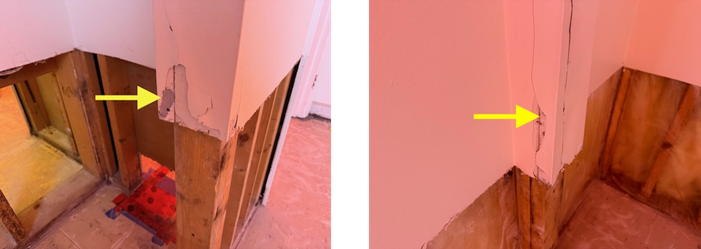
When asbestos is mentioned, most people typically think of insulation, flooring, or exterior stucco. However, it may be surprising to learn that drywall compound, the material used to create smooth surfaces on walls and ceilings, can also contain asbestos. All-purpose drywall compound, commonly used in homes built before the 1990s, sometimes included asbestos fibers to improve durability and fire resistance.
For those undertaking renovations or repairs, it is essential to be aware of the potential presence of asbestos in drywall compound and to understand the associated risks to ensure the safety of your home and loved ones.
The Role of Asbestos in Drywall
Throughout the mid-20th century up to the late 1980s, manufacturers incorporated asbestos into joint compounds and plaster for various reasons:
Strength and Flexibility – It helped to minimize cracking at wall seams.
Fire Resistance – It provided an added layer of protection in the event of a fire.
Workability – It facilitated easier sanding and application of the compound.
Therefore, many homes built before 1990 might possess asbestos-laden drywall in their walls or ceilings, regardless of how modern the rest of the home may appear.
How to Identify Asbestos in Drywall Compound
A frequently asked question is: “Is there asbestos in my drywall?” Unfortunately, it’s impossible to determine just by visual inspection. Once it’s applied and dried, all-purpose drywall compound resembles standard joint compound.
Indicators that asbestos might be present include:
- Your home was built or renovated prior to 1990
- The drywall or plaster has not been replaced or updated
- You’re considering sanding, scraping, or undertaking demolition
Since asbestos fibres are invisible to the naked eye, testing is the only reliable method to confirm their presence safely.
Why Disturbing Drywall Compound Can Be Hazardous
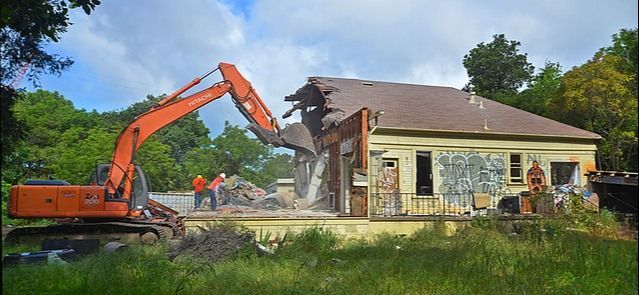
When left intact, asbestos in drywall typically poses little threat. However, activities such as sanding, cutting, or demolishing walls can release fibres into the air. Inhaling these fibres may lead to serious health issues over time.
Symptoms of common asbestos exposure might not surface immediately, but can include:
- Persistent coughing or wheezing
- Shortness of breath
- Tightness or discomfort in the chest
- Fatigue
Long-term exposure raises the likelihood of lung disease, asbestosis, and mesothelioma. This highlights the importance of taking precautions during any drywall work in older homes.
Safe Handling and Testing
If you suspect your walls contain asbestos in drywall compound, the safest strategy is to:
Avoid disturbing the material; refrain from sanding, cutting, or scraping.
Reach out to professionals for testing; experienced inspectors can safely gather samples and send them to an accredited laboratory.
Adhere to expert recommendations; based on the results, they may suggest encapsulation, careful repairs, or professional removal.
While DIY testing kits are available for asbestos, relying on professional testing is significantly safer and delivers accurate results you can trust before commencing renovations.
Key Takeaways
- Asbestos-containing drywall may still be present in homes constructed before 1990.
- All-purpose drywall compound is a frequent source of asbestos fibres.
- Asbestos cannot be identified visually
- Disturbing drywall without appropriate precautions can release harmful fibres.
- Professional testing and safe handling are the most effective ways to safeguard yourself and your family.
About Chessor Environmental Testing Ltd
At Chessor Environmental Testing Ltd, we offer professional asbestos testing and guidance for both residential and commercial properties in Edmonton, St. Albert, and the surrounding regions. Whether you are renovating, buying, or selling a property, our team ensures you receive the necessary information and safety measures for handling asbestos in drywall compound.

You May Also Like: