Asbestos-Containing Duct Tape and Heat Wrap: What You Need to Know
Asbestos was widely used in construction and industrial materials for its heat resistance and durability. One area that is often overlooked is duct tape and heat wrap used in insulation. These materials may still contain asbestos in older homes, commercial buildings, or industrial settings.
For homeowners, contractors, and property managers in Edmonton and St. Albert, understanding what asbestos looks like in insulation, how to identify it, and safe handling practices is critical.
Why Asbestos Was Used in Heat Wrap and Duct Tape
Asbestos fibres are resistant to heat, fire, and chemical corrosion. For this reason, asbestos was commonly used in:
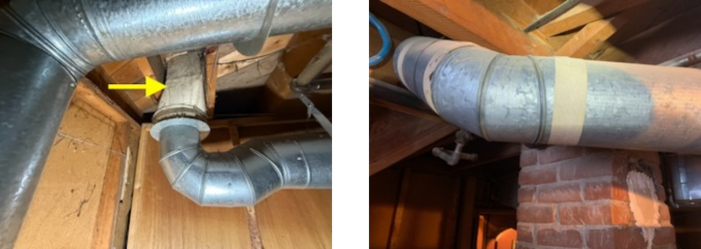
- Heat wrap and heat shrink wrap for piping and ductwork
- Insulating tapes for boilers and furnaces
- Protective coatings around HVAC ducts
Asbestos provided thermal insulation while maintaining strength and flexibility, making it a popular choice through the 1980s.
What Does Asbestos Look Like in Insulation?
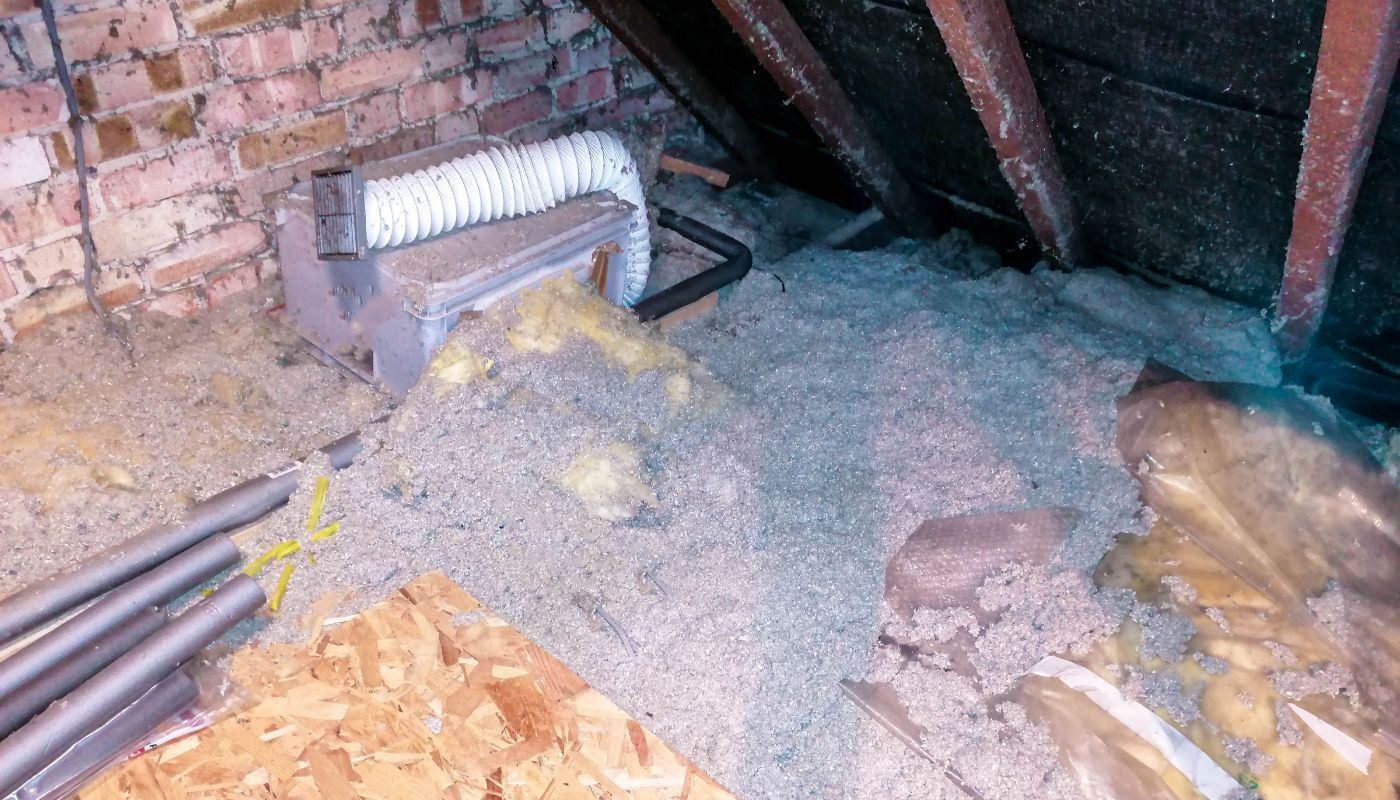
- It often appears as a gray or off-white fibrous material
- Can be wrapped around pipes or ducts like tape or cloth
- May be brittle or powdery if damaged
- Often hidden beneath protective coatings, paint, or outer layers
Asbestos fibres are microscopic, making visual identification impossible. Touching or moving the material without testing can allow these fibres to become airborne and pose a health risk
Common Types of Asbestos-Containing Heat Wrap
1. Heat Wrap
- Thick fibrous insulation material
- Wrapped around hot water, steam, or HVAC pipes
- May appear cloth-like, paper-like, or fibrous
2. Heat Shrink Wrap / Duct Tape
- Some older duct tapes and heat shrink wraps were manufactured with asbestos
- Used to seal joints in ductwork or insulation
- Often black, gray, or silver in colour
- Fragile with age, increasing the risk of fibre release
Is Asbestos in Heat Wrap Dangerous?
As long as the heat wrap or duct tape containing asbestos remains intact and undisturbed, it typically poses minimal risk.
The danger arises when it is:
- Cut, removed, or torn
- Sanded, drilled, or scraped
- Damaged by heat or age
Disturbing asbestos-containing materials can release microscopic fibres, which, if inhaled, may lead to long-term health risks.
How to Test Asbestos Safely
Many people ask, How do I know if my heat wrap contains asbestos? Or is asbestos in this duct tape?
The safest ways to confirm include:
- Professional asbestos testing – Samples are collected safely and sent to accredited laboratories for analysis.
- Testing kits for asbestos – Some DIY kits exist, but they carry the risk of exposure if not handled properly. Professional testing is strongly recommended, especially for friable (crumbly) insulation.
Never attempt to cut or remove suspected asbestos heat wrap without proper precautions.
Health Risks of Asbestos Exposure
Inhaling asbestos fibres can lead to serious, long-term illnesses, including:
- Asbestosis
- Mesothelioma
- Lung cancer
Symptoms often appear years or decades after exposure, making prevention and safe handling crucial.
What to Do If You Find Asbestos Heat Wrap
If asbestos is confirmed in duct tape or heat wrap:
- Do not disturb the material
- Avoid cutting, sanding, or removing it yourself
- Consult licensed asbestos abatement professionals for safe removal or encapsulation
- Follow all local safety and regulatory guidelines
Proper handling ensures protection for you, your family, or your workers.
Final Thoughts
Asbestos in heat wrap and duct tape is often concealed and easily missed, yet it can become dangerous if disturbed. Since you can’t rely on sight alone, proper testing is the safest way to confirm its presence.
For homeowners, contractors, and property managers in Edmonton and St. Albert, professional asbestos testing and expert guidance are crucial before starting any repairs or renovations.
About Chessor Environmental Testing Ltd
Chessor Environmental Testing Ltd provides professional asbestos testing and environmental assessments for residential, commercial, and industrial properties. Serving Edmonton, St. Albert, and surrounding areas, we focus on accuracy, safety, and trusted guidance for handling asbestos materials.
You May Also Like: