Asbestos-Containing Stucco: What Homeowners Should Know
Asbestos has been extensively utilized in construction materials for many decades, and one of the less recognized materials that may still harbour it is exterior stucco. Numerous homeowners are astonished to discover that stucco applied to houses built before the 1990s may contain asbestos, particularly in older neighbourhoods across Edmonton and St. Albert.
Being aware of how to identify asbestos, the health risks associated with exposure, and the safe methods for testing asbestos is crucial for preventing significant health issues during renovations or exterior repairs.
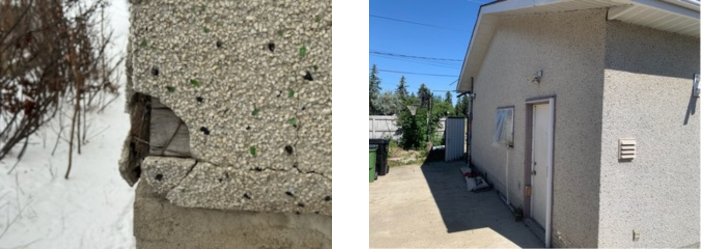
Why Asbestos Was Used in Exterior Stucco
From the 1950s through the late 1980s, asbestos was added to stucco mixes to improve:
- Strength and durability
- Fire resistance
- Weather and moisture resistance
- Crack prevention
Because of these properties, asbestos-containing stucco was commonly applied to residential, commercial, and multi-unit buildings.
What Is Asbestos-Containing Stucco?
Exterior stucco is typically made from a mixture of cement, sand, and water. In asbestos-containing products, asbestos fibres were added to reinforce the material.
Important to know:
- Asbestos fibres are microscopic and invisible to the eye
- Stucco may appear solid and intact while still containing asbestos
- Visual inspection alone cannot confirm the presence of asbestos
This makes professional testing essential before any work is done.
How to Detect Asbestos in Stucco
A common question homeowners ask is how to detect asbestos in exterior stucco. Unfortunately, asbestos cannot be identified by appearance, texture, or age alone.
Indicators that stucco may contain asbestos include:
- The building was constructed before 1990
- Stucco has never been replaced or remediated
- Planned repairs, drilling, or removal are required
The only reliable way to confirm asbestos is through laboratory testing.
How Do You Test Asbestos in Stucco?
So, how do you test asbestos in exterior stucco safely?
Professional asbestos testing involves:
- Controlled sample collection by trained professionals
- Proper containment to prevent fibre release
- Analysis by an accredited laboratory
- Clear reporting and guidance on next steps
DIY testing or breaking stucco without controls can release asbestos fibres into the air and increase exposure risk.
When Is Asbestos in Stucco Dangerous?
Asbestos-containing stucco is not immediately dangerous if it is:
- In good condition
- Undisturbed
- Properly sealed
Risk increases when stucco is:
- Cracked, crumbling, or weather-damaged
- Drilled, cut, or sanded
- Removed during renovations or demolition
Once disturbed, asbestos fibres can become airborne and inhaled.
Symptoms of Asbestos Inhalation
Another common concern is symptoms of asbestos inhalation. It’s important to understand that asbestos-related illnesses typically develop years or decades after exposure.
Symptoms may include:
- Shortness of breath
- Persistent coughing
- Chest pain or tightness
- Fatigue
Long-term asbestos exposure has been linked to serious illnesses such as asbestosis, lung cancer, and mesothelioma. Because symptoms often appear long after exposure, prevention is critical.
What to Do If Asbestos Is Found
If asbestos is confirmed in exterior stucco:
- Do not disturb the material
- Avoid drilling, cutting, or patching the stucco yourself
- Discuss next steps with qualified professionals
In some cases, stucco can be safely managed or sealed. In other situations, asbestos removal by licensed abatement professionals may be required to meet safety or renovation requirements.
Is Asbestos Removal Always Necessary?
Asbestos removal is not always required. The best course of action depends on:
- The condition of the stucco
- Planned renovations or repairs
- Regulatory requirements
- Risk of disturbance
Professional testing provides the information needed to make an informed, safe decision.
Why Asbestos Testing Is Essential Before Exterior Work
Before exterior renovations such as:
- Stucco repairs
- Window or door replacement
- Siding installation
- Demolition work
Asbestos testing should always be completed first. This helps:
- Protect workers and occupants
- Prevent contamination
- Avoid costly project delays
- Ensure regulatory compliance
Final Thoughts
Asbestos-containing exterior stucco remains present on many older buildings. While it may not pose an immediate risk when intact, disturbing it without proper testing can release harmful asbestos fibres.
If you’re unsure about your stucco, testing is the safest first step.
About Chessor Environmental Testing Ltd
Chessor Environmental Testing Ltd provides professional asbestos testing and environmental assessments for residential and commercial properties. Serving Edmonton, St. Albert, and surrounding areas, we focus on safety, accuracy, and clear guidance you can trust.
You May Also Like: