Asbestos-Containing Flooring: Vinyl Tile and Linoleum
Historically, asbestos was widely used in building materials because of its exceptional durability, fire resistance, and insulating properties. In contemporary times, one of the most common places where asbestos can be found is in flooring, particularly in vinyl tiles, asbestos floor tiles, and certain types of linoleum sheet flooring.
For homeowners, prospective buyers, and renovators in Edmonton and St. Albert, it is essential to be aware of how asbestos might be used in flooring (and when asbestos testing is required) to protect health and avoid costly renovation mistakes.
Why Asbestos Was Used in Flooring Materials
Between the 1950s and the late 1980s, asbestos was routinely included in flooring products to enhance:
- Strength and durability
- Fire and heat resistance
- Sound insulation
- Adhesive bonding performance in flooring applications
Consequently, asbestos was commonly found in vinyl tile flooring, sheet vinyl products, and the adhesive (mastic) used beneath them.
Types of Flooring That May Contain Asbestos
1. Vinyl Asbestos Tile (VAT)
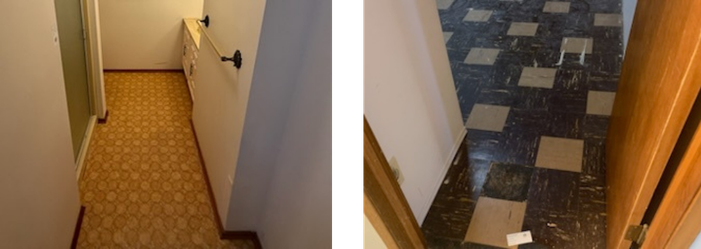
Vinyl asbestos tile is one of the most identified forms of asbestos floor tiles in older homes and buildings.
Common characteristics include:
- Usually 9x9-inch tiles (though other sizes exist)
- Rigid, hard tiles rather than flexible vinyl
- Often installed in basements, kitchens, hallways, and utility rooms
- Manufactured before the early 1990s
Because many vinyl tile products look similar, visual inspection alone cannot confirm whether the vinyl tile contains asbestos. Professional asbestos testing is required for accurate identification.
2. Sheet Vinyl and Linoleum-Style Flooring
Some sheet vinyl flooring products contain asbestos, most commonly in the backing layer rather than the surface.
This is where confusion often occurs with linoleum flooring with asbestos.
- True linoleum, made from natural materials, does not contain asbestos
- However, many floors assumed to be linoleum are vinyl-based products that may contain asbestos
Since asbestos fibres are often hidden beneath the surface, cutting or removing sheet flooring without testing can release harmful fibres into the air.
3. Asbestos in Flooring Adhesives (Mastic)
Even when flooring materials test negative, the black mastic adhesive used underneath asbestos flooring frequently contains asbestos.
Asbestos-containing mastic:
- Is typically black or dark brown
- Was widely used under vinyl tile and sheet flooring
- Can become friable when scraped or ground
This makes asbestos testing critical before any flooring removal or renovation work begins.
When Is Asbestos Flooring a Health Risk?
Asbestos floor tiles and vinyl flooring are not automatically dangerous if they remain:
- Intact
- Undamaged
- Undisturbed
The risk increases when asbestos flooring is:
- Cracked, chipped, or deteriorating
- Cut, sanded, drilled, or removed
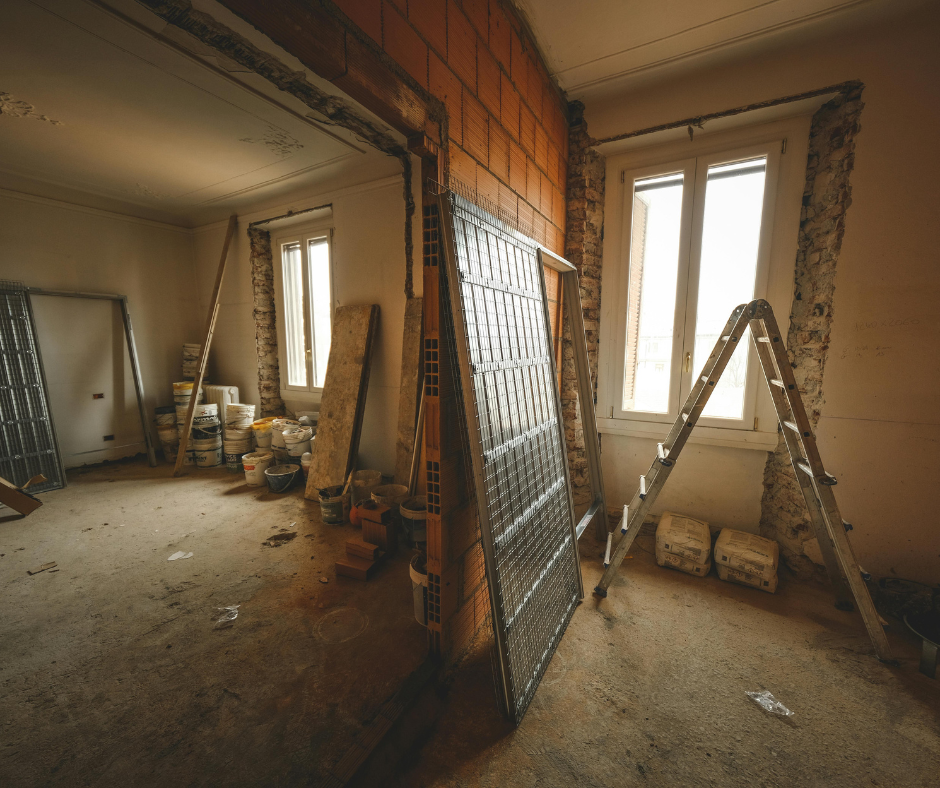
- Disturbed during renovations or demolition
Once disturbed, asbestos fibres can become airborne and inhaled, leading to long-term health risks.
Health Risks Associated with Asbestos Exposure
Inhaling asbestos fibres has been linked to serious illnesses, including:
- Asbestosis
- Lung cancer
- Mesothelioma
These conditions often develop many years after exposure, which is why prevention through proper asbestos testing is so important.
When Should You Get Asbestos Testing?
You should consider professional asbestos testing if:
- Your property was built before 1990
- You’re planning to remove or renovate flooring
- You’re unsure whether vinyl tile or linoleum flooring contains asbestos
- You’re buying or selling a home
- You manage commercial or rental properties
In Edmonton and St. Albert, asbestos flooring is commonly found in:
- Older residential homes
- Basements with original vinyl tile
- Schools, offices, and commercial buildings
Why Professional Asbestos Testing Is Important
DIY asbestos test kits often lead to:
- Improper sample collection
- Cross-contamination
- Increased exposure risk
- Inaccurate or inconclusive results
Professional asbestos testing provides:
- Safe and controlled sampling
- Laboratory analysis by accredited facilities
- Clear documentation for renovations, real estate transactions, or compliance
- Reliable results you can trust before work begins
What If Asbestos Is Found in Your Flooring?
If asbestos is confirmed in vinyl tile, asbestos floor tiles, or linoleum-style flooring:
- Do not disturb the material
- Review options such as encapsulation, covering, or professional removal
- Follow all provincial and federal safety regulations
- Use licensed asbestos abatement professionals if removal is required
Testing allows you to make informed, safe decisions.
Final Thoughts
Asbestos flooring, including vinyl tile and linoleum flooring with asbestos, remains present in many older buildings. While these materials may not pose an immediate risk, disturbing them without proper asbestos testing can create serious health hazards.
If you’re unsure about your flooring, testing is always the safest first step.
About Chessor Environmental Testing Ltd
Chessor Environmental Testing Ltd provides professional asbestos testing and environmental assessments for residential and commercial properties. Serving Edmonton, St. Albert, and surrounding areas, we focus on safety, accuracy, and clear guidance you can rely on.
You May Also Like: